13 Gifts for Permanent Makeup Artists Who Draw Eyebrows for People Who Have Lost All Perspective
Permanent makeup artists have one of the strangest jobs in modern civilization. They take a person who is unhappy with the face they were born with, discuss the problem for forty-five minutes, and then use a needle to make a decision that will still be there when both of them have forgotten the conversation. Imagine doing that for a living. You don't just have to be good at your job. You have to be good at your job while someone holds a mirror three inches from her face and asks whether her left eyebrow looks emotionally different from her right one. And she's paying you to answer. People will spend $600 to have their eyebrows tattooed, then spend the next six months wondering if they should have gone slightly darker. We have satellites that photograph other planets, but apparently we still haven't invented a way to make a person look at her own face and say, 'That's fine. I'm going home.' Permanent makeup artists need tools that support precision, hygiene, comfort, and professional development. They also deserve something nice because they've voluntarily entered the business of negotiating with human insecurity, and insecurity is the only customer that never leaves a tip in peace.

1. Professional PMU Machine
A high-quality permanent makeup machine is a serious gift for an artist who wants reliable performance and precise control. Check compatibility with the cartridges, techniques, and machine system the recipient already uses. Don't buy a random machine because it has a futuristic name and looks as if it could launch a satellite. This is someone's livelihood, not a Christmas present for a robot. A professional who has spent years developing a steady hand doesn't need you to surprise them with a device that sounds like an electric toothbrush trapped inside a coffee grinder.
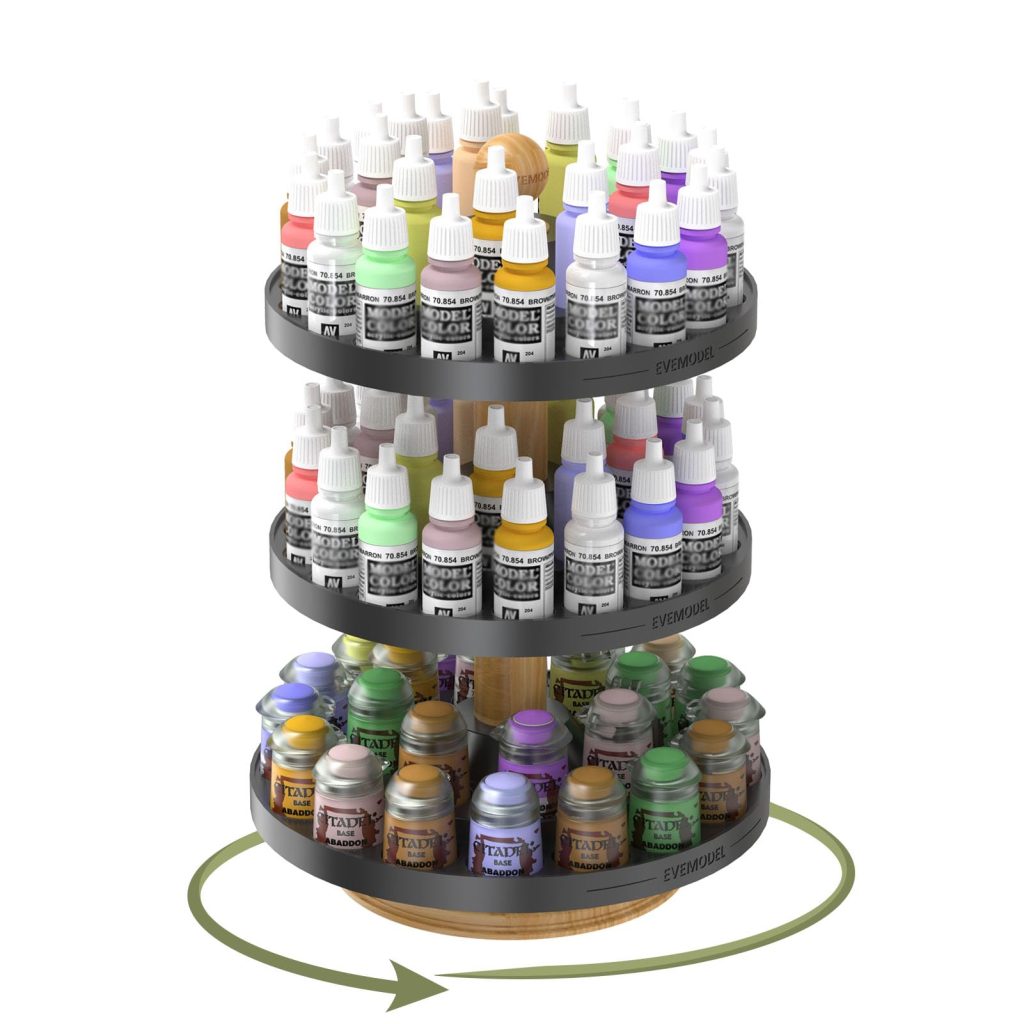
2. Premium Pigment Organizer
A well-designed pigment organizer keeps bottles upright, visible, and easy to access. Choose one that's easy to clean and suited to the recipient's actual workspace. Color organization seems simple until you watch somebody try to find the exact shade among twenty bottles that look identical under artificial lighting. Human beings can distinguish seven kinds of coffee, identify a wine by its birthplace, and argue about the emotional character of beige. Then you put five warm browns in front of them and suddenly they're conducting a hostage negotiation with a shelf.

3. Adjustable LED Treatment Lamp
Good lighting helps artists assess skin, pigment placement, and fine details throughout a procedure. Choose a lamp with adjustable brightness, a stable arm, and a color rendering quality suitable for detailed cosmetic work. The important thing is seeing the actual skin rather than the version invented by a cheap light bulb. It's amazing how much of adulthood is discovering that the thing you thought was blue is actually gray, the person you thought was friendly is actually rude, and the room you thought was clean is being held together by dim lighting.

4. Ergonomic Artist's Stool
A supportive adjustable stool can make long procedures more comfortable and help an artist maintain a workable position. Look for reliable height adjustment, a stable base, and upholstery that's easy to clean. The human spine is an extraordinary piece of engineering that we treat like a disposable plastic fork. We sit for hours, lean forward, twist sideways, and then act shocked when standing up feels like opening a rusty garage door. An artist's stool won't solve the entire problem of being a mammal, but it can make the workday less punishing.

5. Professional Practice Skin and Training Kit
A suitable practice kit can support artists refining their technique or exploring new procedures. Choose products that match the recipient's level and training goals. Practice materials are especially useful when trying a new needle configuration or working on consistency without involving a real client. That's a wonderful principle, isn't it? We should all have practice versions of our decisions. A practice marriage. A practice mortgage. A fake job where we can discover we hate management before somebody gives us a company car and a thousand unread emails.

6. High-Quality PMU Cartridge Assortment
A selection of compatible professional cartridges can be useful for an artist who works across different techniques. Confirm the machine connection, membrane design, needle configurations, and the recipient's preferred brands before purchasing. Never assume every cartridge fits every machine. The beauty industry has enough expensive surprises without receiving a box of components that are technically beautiful and completely useless. It's the equivalent of buying someone a very nice key for a door they don't own.

7. Client Consultation and Design Notebook
A professional notebook can help organize design references, consultation notes, color choices, and aftercare reminders, provided client information is handled securely. Pick something durable with a layout that suits the artist's workflow. Permanent makeup involves listening to a client explain the face she wants, the face she had, and the face she saw on a woman in a video who was born with different facial proportions and a lighting crew. A good notebook helps keep the practical details straight while the conversation wanders through the history of every eyebrow-related disappointment since 2009.
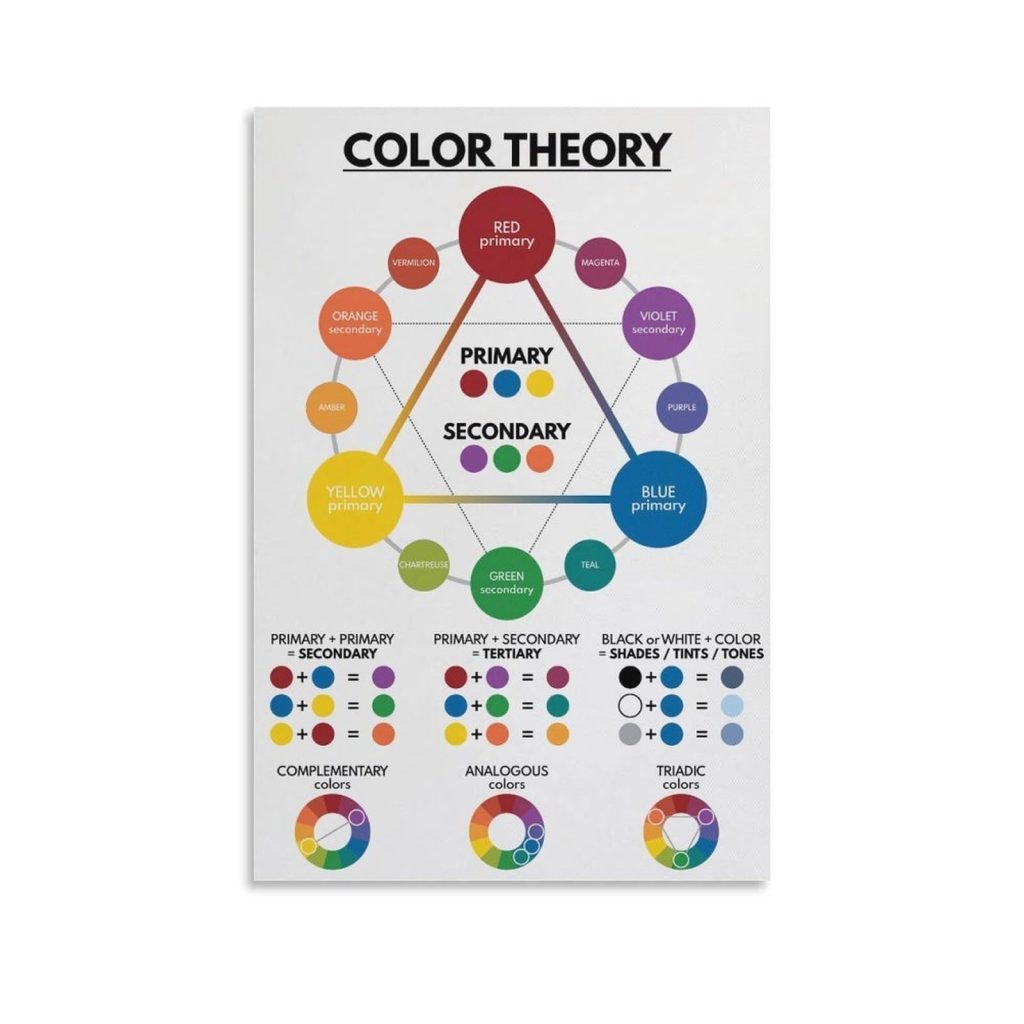
8. Professional Color Theory Reference
A current, reputable color theory resource focused on skin undertones, pigment selection, and healed results can support an artist's continuing education. Choose one that reflects professional practice rather than a superficial guide full of color wheels and inspirational quotations. Color is a complicated subject because what goes into skin and what eventually heals are not always the same story. It's a bit like sending a polite email and discovering that, by the time it reaches the recipient, six people have interpreted it as a declaration of war.

9. Hygienic Workstation Storage System
A well-organized workstation storage system helps keep supplies separated and makes cleaning routines easier. Prioritize smooth, wipeable surfaces, secure drawers, and a layout suited to the artist's procedures. The goal is a professional workspace, not a drawer full of mystery objects. Every drawer in human history eventually contains a cable that fits nothing, a receipt from a business that closed ten years ago, and something you keep because you might need it someday. In a PMU studio, the organization needs to be considerably more disciplined than that.

10. Premium Digital Client Photography Light
A quality photography light can help document healed results and create more consistent portfolio images. Choose adjustable brightness and a setup that works with the artist's camera or phone. Consistent photography matters because clients want to see realistic results, not an image that has been edited until the skin resembles polished porcelain. Filters have done something extraordinary to human expectations. People now look at their own perfectly ordinary faces and think they've suffered a manufacturing defect because an app once gave them the complexion of a freshly peeled grape.
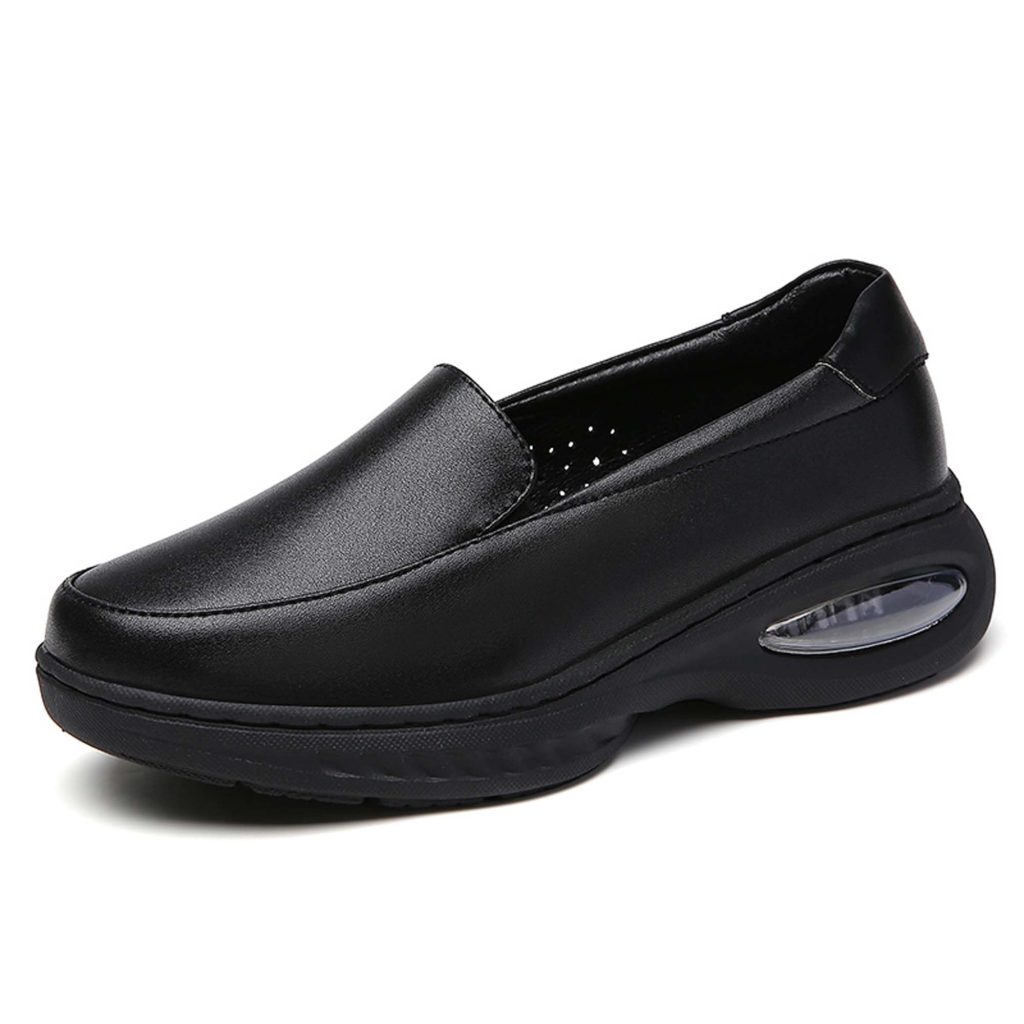
11. Comfortable Professional Shoes
Artists spend long periods standing or moving around their studios, so comfortable supportive footwear can be a genuinely useful present. Choose a style that suits the recipient's workplace and personal preferences. You can have the most beautiful studio in town, with soft music, elegant furniture, and a waiting area that looks like a Scandinavian billionaire's living room. But if your feet hurt after the third appointment, you're still a human being trapped on two tired feet. Luxury is nice. Being able to walk to your car without negotiating with your heels is also nice.

12. Professional PMU Training or Conference Credit
A contribution toward reputable training can help an artist develop advanced skills, learn updated techniques, or strengthen their understanding of safety and pigment behavior. Check the recipient's experience and interests before choosing a course. Don't buy an introductory eyebrow class for somebody who's been working professionally for a decade. That's not a gift; it's an intervention disguised as professional development. A good course gives someone a genuine next step instead of asking them to sit through three hours of information they could recite while making dinner.

13. Gift Card to a Specialist PMU Supplier
Artists have specific preferences about machines, pigments, cartridges, and studio equipment. A gift card from a reputable specialist supplier lets the recipient choose exactly what fits their practice. It's an elegant solution to a difficult problem: you love somebody, you know they do complicated work, and you have absolutely no idea which of the fourteen nearly identical products they trust. You could investigate every option for a week, read hundreds of reviews, and still buy the wrong one. Sometimes the most thoughtful thing you can say is, 'I respect your expertise enough not to interfere with it.'